
America fell in love with a poet. Not just any poet. This was Robert Frost. Frost told his life story through his poetry, but most of his story was of grief and despair. He grew up poor and anxious to find his niche in life. He tried teaching, farming, carpentry, and was a failure at everything. He did, however, have a voracious appetite for reading, and that he did. Then, broke and desperate at 38 years old, he sold his parents’ farm and moved to England. It was there, that he found his rainbow — a colorful path of survival called poetry. Frost once said, “A poem begins in delight, and ends in wisdom.”


He wrote of tranquil gardens and snowy paths, and captured his audience through some of the most delightful imagery. But, deep inside, his life was forged in a desperate attempt to find peace and serenity. He, along with his wife and most of his other family members, suffered from depression. They had six children and only two survived to outlive him. When Robert was only 20 years old, he lost his first son Elliot to typhoid fever. Elliot was only 3 years old. Robert was 38 years old when he also lost his older son to suicide. Two of his other children died shortly after their births from illnesses and other complications. His wife would die of cancer too, at a young age of 64.
I remember discovering his poetry in my first semester of English Literature in college. I loved how he wrote of peaceful roads and blissful meadows, of cool, still waters and billowy summer clouds. I was transported into his mindset with every poem of his I read. However, it took me many more readings before I truly came to understand that his poetry wasn’t writing about nature’s beauty, but what you do when that beauty wasn’t enough to save you.
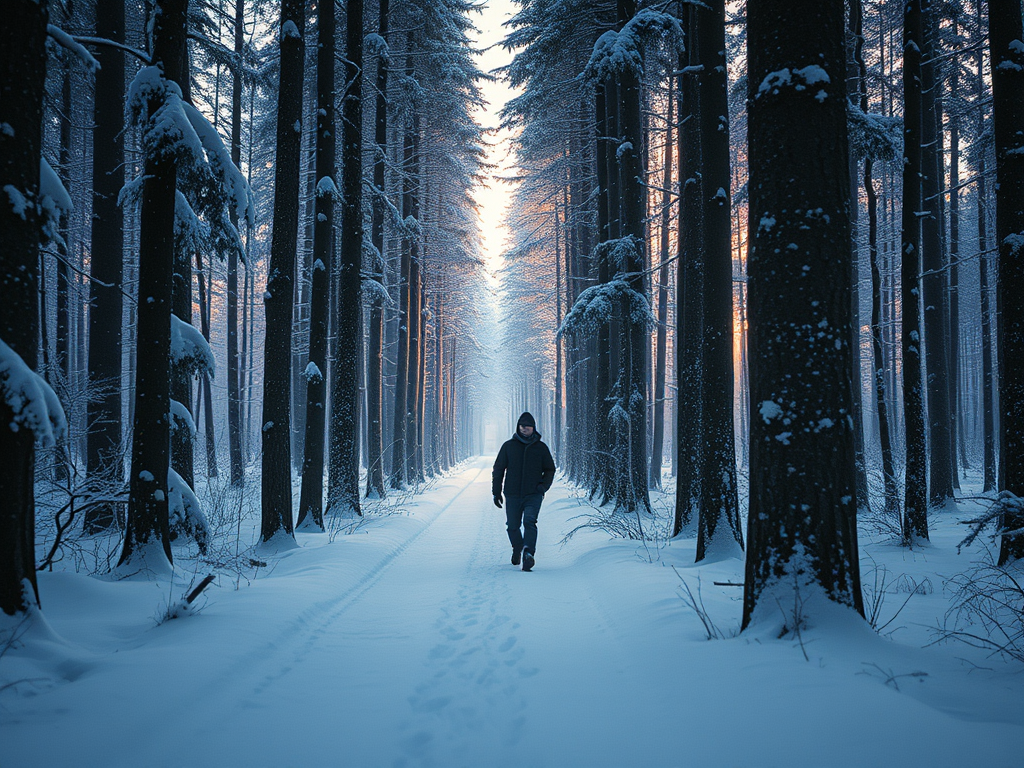
My favorite poem of his was:
“Stopping By Woods on a Snowy Evening”.
“Whose woods these are, I think I know,
His house is in the village though,
He will not see me stopping here, to watch his woods fill up with snow.
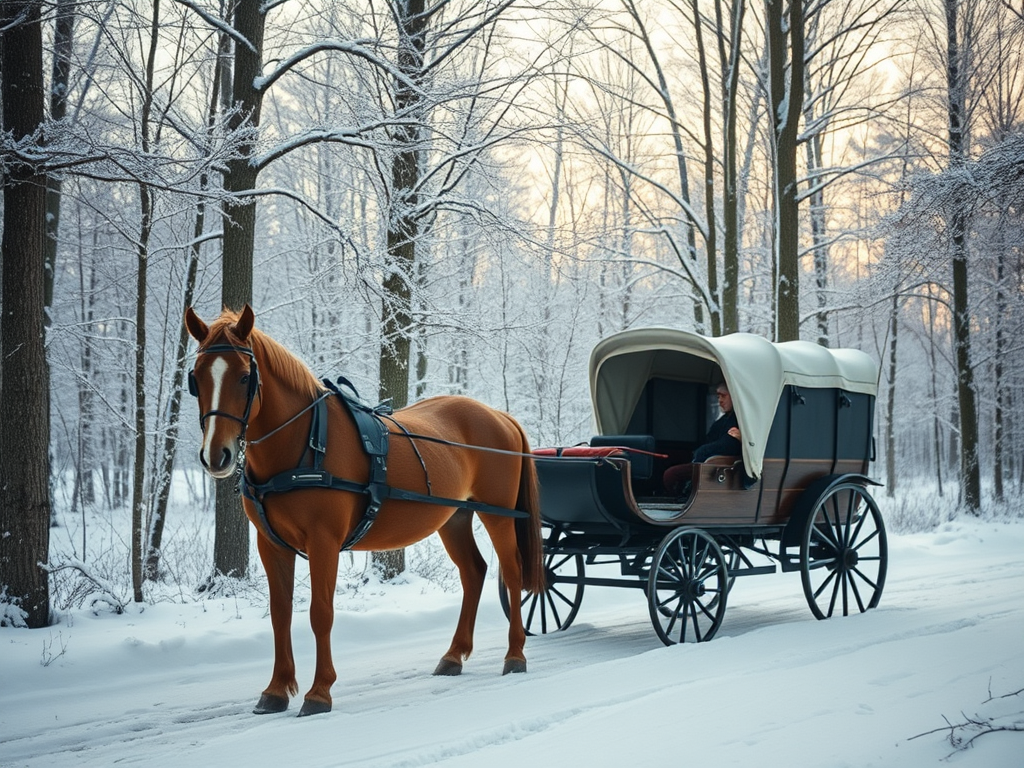
My little horse must think it queer, to stop without a farmhouse near,
Between the woods and frozen lake,
The darkest evening of the year.
He gives his harness bells a shake,
To Ask if there is some mistake,
The only other sounds, the sweep of easy wind and downy flake.
The woods are lovely, dark and deep, but I have promises to keep,
And miles to go before I sleep, and miles to go before I sleep.
Robert Frost did not find his peace in those woods, he was simply searching for it. Sometimes, extreme despair causes you to just keep going and not look back. His poetry was at times pastoral, gentle and welcoming, but beneath the surface, they were words of loneliness and frustration from living a life that tried to defeat him at every turn.
What Robert Frost did with his poetry was give the world something miraculous. He transformed those unbearable tragedies into art. That’s why reading his prose feels so real. Those dark woods filling with snow were lovely to behold, but to him, at that moment, they reflected something more important — the need to get back to the reality of life and fulfill a promise he made before day’s end. To him, it wasn’t poetry, it was survival.
There was another part of his poetry that I enjoyed, and that was the subtlety of his words. How often do we get in a bad mood, when things don’t always go just right and you think nothing will make it better, then all of a sudden, something so slight happens and everything changes. I felt that way the other day and then remembered another of my favorite poems by Mr. Frost. This one was very short but also very poignant:
“Dust of Snow”
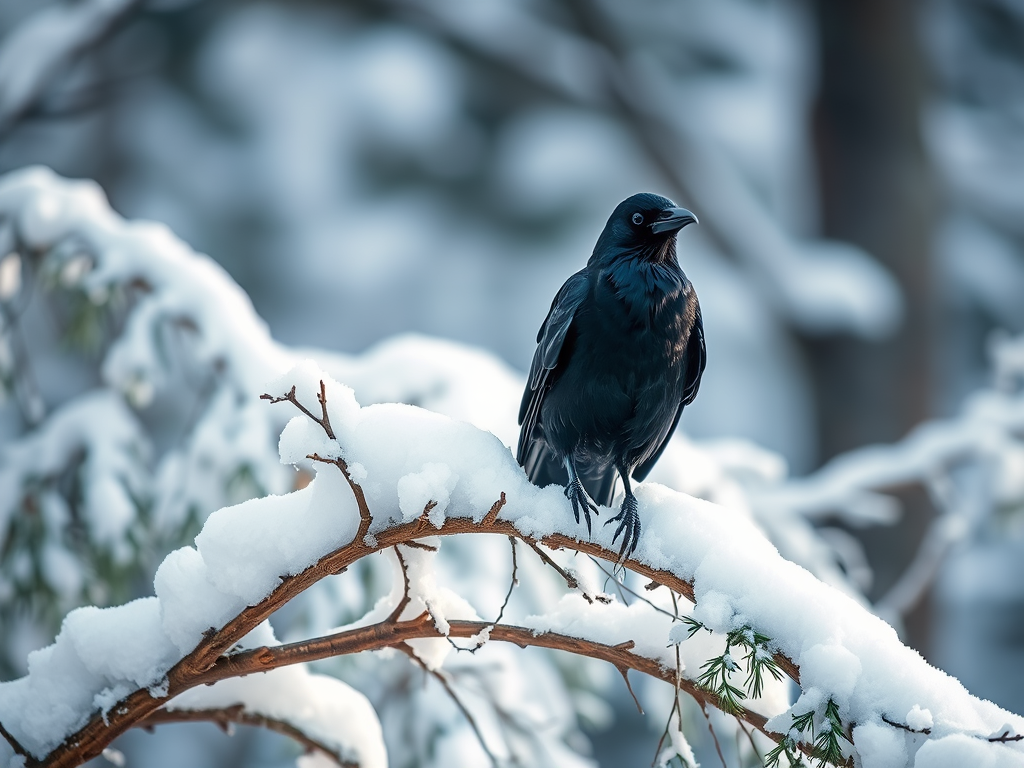
The way a crow
Shook down on me
The dust of snow
From a hemlock tree
Has given my heart
A change of mood
And saved some part
Of a day I had rued.
I want to add one more of his great poems to this dedication of his work. This poem, I think, hits home with just about anyone who has ever thought about his or her destiny in life. It’s all about the “What If’s” we are confronted with on a daily basis, those decisions we make, will make, or have made and how they will or have impacted our lives. The poem has multiple meanings to many, with just as many desirable or undesirable outcomes depending on that choice you made. What made you choose your path in life? Were you happy with the choice you made, or do you wish you could do just one thing over, and if so, would it have “made all the difference”? Think about it:
“The Road Not Taken”
Two roads diverged in a yellow wood,
And sorry I could not travel both
And be one traveler long I stood
And looked down one as far as I could
To where it bent in the undergrowth;
Then took the other as just as fair,
And having perhaps the better claim,
Because it was grassy and wanted wear;
Though as for that, the passing there
Had worn them really about the same,
And both that morning equally lay
In leaves no step had trodden black.
Oh, I kept the first for another day!
Yet knowing how way leads onto way,
I doubted if I should ever come back.
I shall be telling this with a sigh,
Somewhere ages and ages hence:
Two roads diverged in a wood and I –
I took the one less traveled by,
And that has made all the difference.
I’m not going to go into an analysis of the poem as we would be here for hours and hours. But I will say that for what it’s worth, the choices we make not only affect ourselves, but all of those around us. Life is not just about physical survival, but also facing the mental challenges that come with physical survival. No one knew this better than Robert Frost.
I invite you to read more of his beautiful works. Spend a few minutes pondering “Fire and Ice”, “Ghost House” and “Questioning Faces”. These three poems will whisk you away from your woes and troubles if only for a moment, and bring you just the smallest touch of inner peace. And God knows we could use a little more of that!

I hope you enjoyed my latest blog post. I would love it if you would subscribe to my blog and make comments. Remember, constructive criticism is the best form of flattery.
Ciao
Lenny
Discover more from Lenny Ricci, Author
Subscribe to get the latest posts sent to your email.

Len, A bit of a change up for you. I’ve never known you to be in a bad mood. Glad Frost’s poetry can cheer you up. I’ve never personally been much into poetry but do enjoy his work. I think because it’s not too flowery or syrupy sweet like some. Thanks for this “food for thought” blog. ‘Till next time.
Betty
LikeLike
Len, thank you for your deep analysis of Robert Frost’s work. I think you really understand him. I also find him to be the most enjoyable of the famous poets I’ve read. The three of us seem to have a similar mindset about the “nature” of his work (pun intended). You best describe it with this line: “However, it took me many more readings before I truly came to understand that his poetry wasn’t writing about nature’s beauty, but what you do when that beauty wasn’t enough to save you.” I’ve always found a short, quiet escape into nature as a time and place to reflect, to think, to try to reset my outlook on many things in life, to “find the light” amidst darkness that sometimes seems to be descending. Those peaceful visits with nature are never meant to be permanent escapes from the “real world”, and they are never perfect cures that make everything all better. Frost always notes this in his work, whether literally or subtly, like with the hints of sadness and regret near the end of “The Road Not Taken”, when he recognizes he’s not likely to ever find out what he would have found if he had ventured down that more-traveled road. Thank you for this thoughtful post that also made me think.
Jimmy
LikeLike