
Many of us were raised by parents or other siblings who carried on the tradition of telling us bedtime stories before slumber. A lot of these stories were fables, folklore and fairytales that were penned centuries ago, but still have relevance today.

Originally, fairytales were written to teach children moral lessons of life and to stimulate their imaginations. The idea of reading kids bedtime stories was basically to offer them a soothing transition from an active day of play to a peaceful time of sleep. Whether it was a nursery rhyme or a fairytale, these stories of sweet innocent children, doing sweet innocent things, would promote positive feelings before a restful slumber. But in actuality, these seemingly “innocent” tales had many deep and dark elements to them. They often depicted the harsher realities of life, such as death, betrayal and suffering. The stories that were passed down through generations were also meant to instill a sense of caution to their listeners, especially children who, at their young tender ages, were still learning the difference between right and wrong.
Many fairytales boil down to this: “Don’t trust strange people, or you will die.”

Many fairy tales used dark elements in prose to portray psychological themes. They often used fear, guilt and desire to teach kids about the struggles between good and evil. A good example of this is in the story of “Snow White”. This story reeks of greed, hatred, jealously and envy. An evil queen… a beautiful princess… then death by poison! What kid wouldn’t want to hear this story before bed? Talk about nightmares!
The problem, back in the 18th century, was that storytellers couldn’t sell their stories to publishers unless they had dark themes, for that was what made them more engaging and memorable. The thing is that no one wanted to read a story about a physically robust “Tiny Tim” from the story of Scrooge, who could run and jump like all the other kids around the streets of London. His frolicking and jocularity would be so boring. So Dickens made him a cripple, and his character then became a source of struggle and suspense, which sold books.

Most nursery rhymes, Mother Goose stories and other fairytales were written from the 16th through the 18th centuries. Most of the writers’ ideas for these stories came alive while they sat in the local pubs and taverns of England and Ireland. Of course, being sloshed early in the afternoon at your local pub gave rise to some pretty strange fictional musings. Early writers made these tales light and breezy, easy to remember, and yet still somehow managed to hide their deep, dark and devious meanings. Take, for instance, that cute and whimsical ditty “Jack be Nimble”. It goes, “Jack be nimble, Jack be quick, Jack jumped over the candlestick.” Sounds innocent enough, right? Well, here’s the scoop. Jack was actually Jack Black, a notoriously evil pirate who thought nothing of boarding other sailors’ ships and stealing anything precious and valuable. He was so clever that he evaded capture at every turn and got away with lots of stolen goods. Back in the 1500’s, it was said that “jumping over a candlestick” would bring the jumper good luck if the light remained lit, but in the case of Jack, his good luck was actually escaping the clutches of the law each and every time he robbed.

Let’s go on to one of the most dark and sinister of all fairy tales: “Mary, Mary, Quite Contrary”. This one was all about persecution and torture. It goes… “Mary Mary quite contrary, how does your garden grow? With silver bells and cockleshells, and pretty maids all in a row.”
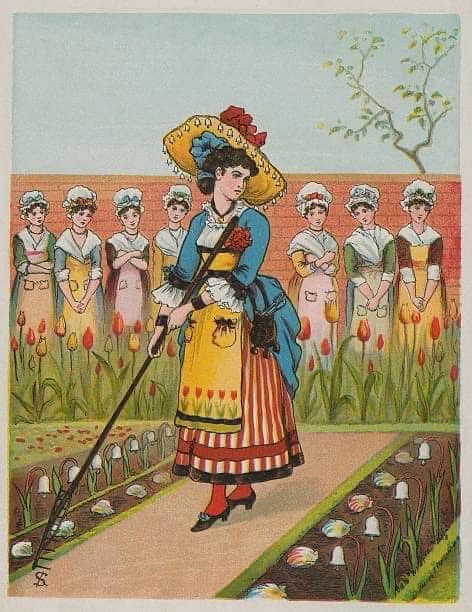
Mary, Queen of Scots, was just one mean lady. Bloody Mary, as many people called her, was a devout Catholic who tried to reverse the English Reformation begun by her father, King Henry VIII. Protestants named her “Bloody Mary” because of her cruel torture and murder of religious dissenters. If you didn’t convert to Catholicism, she would punish you with bizarre torture and death, and then bury your remains in her garden. Human remains ,as she was told, were a great source of fertilizer, and so her gardens flourished with lots of pretty flowers. The “pretty maids all in a row” was just a reference to all the other women standing in line to be executed. Oh, and the cockleshells were devices of torture that were attached to males’ private parts before they were killed. Nice, huh?
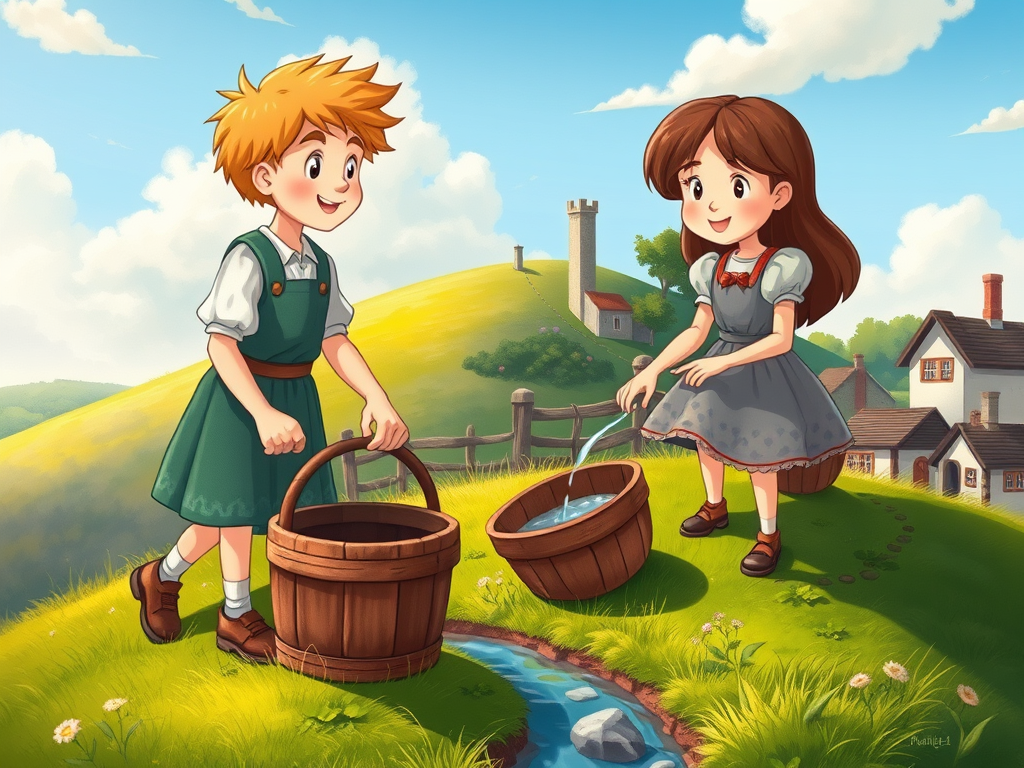
A good story must have conflict or it wouldn’t be interesting to share. Take the plight of Jack and Jill, for instance. This story had nothing to do with a couple of kids rushing up to the top of a hill to fetch a pail of water from a well. It’s more sinister than that. It seems that during the French revolution, the monarchy needed to “soften” the story of the demise of King Louis XVI and his wife Marie Antoinette. You see, they were both convicted of treason and were beheaded. The tale of Jack (King Louis) and Jill (Marie) was that they were simply in an accident. Jack stumbled on a rock at the top of the hill, fell down and lost his “crown”, and his wife Marie ultimately fell down afterwards to her untimely death.
A good fairy tale can even teach us that too much of a good thing can have some disastrous effects. A good example of this is in the rhyme “It’s Raining”. It goes like this… “It’s raining, it’s pouring, the old man is snoring. He got into bed and bumped his head, and he couldn’t get up in the morning.”
The truth to this is basically that this doofus of a man decided to go out drinking. After having one too many beers, he became disoriented, but clumsily found his way home. After stumbling up the stairs and into the bedroom, he plopped down on the bed, hit his head on the headboard and passed out. Unfortunately, he developed a serious concussion during the night and died.

And then there are stories about being ethically moral and decent. This was not the case with Peter. In the nursery rhyme “Peter, Peter, Pumpkin Eater”, his wife turned out to be the town whore. The rhyme goes like this:
“Peter, Peter, Pumpkin eater. Had a wife but couldn’t keep her. He put her in a pumpkin shell, and there he kept her very well”.
Peter’s wife was a slut and very unfaithful to him. She constantly cheated on him and spent many nights in the arms of other men. Peter finally got tired of all her crap and because he loved her so much, he decided to equip her with a chastity belt. Unfortunately that didn’t stop her from being the town floozy, so he had no choice but to kill her and put her remains in a hollowed out pumpkin, where she would remain faithful for all eternity.

Keeping with the theme of morality, there is another rather innocent story about perversion. The story “Rub-A-Dub-Dub” seems harmless doesn’t it? It goes… “Rub-a-dub-dub, three men in a tub. And who do you think were there? A butcher, a baker, and a candlestick maker, who had all just gone to the fair. “
These three local businessmen were nothing but perverts. You see, way back then, a “tub” was basically a carnival attraction similar to a peep show today. Men would pay their pence at the door, and then proceed to ogle the nearly naked women who would flaunt and flirt for tips, taking off more and more of their clothes as they went along for bigger and better payoffs. This made for a delightful story, but it became just a little risqué for little kids to hear, especially at bedtime. So scholars changed the words to “cleanse” the theme and it’s sordid meaning, by suggesting that the men were in the “tub” and were the ones being watched instead by the lovely coiffured women.

Some nursery rhymes are just too adorable to have any evil or sinister meanings. Take, for instance, “Little Miss Muffet” It goes like this: “Little Miss Muffet sat on a tuffet, eating her curds and whey. Along came a spider, that sat down beside her, and frightened “Miss Muffet away.”
Okay, for all of you who don’t know this, a tuffet is a small patch of grass, and curds and whey are types of cheeses. Of course, in due time this giant tarantula comes and sits next to her and just wants to see what she has for lunch. It’s giant beady eyes meet hers and she immediately gets up and runs away. Why she didn’t stomp on it is anyone’s guess.

Who the heck knows why this young child was sitting out in the grass in the first place? Wasn’t there some nice picnic table nearby, where she could enjoy her afternoon cheese without the worry of being assaulted by hideous insects? Oh well, such is life.
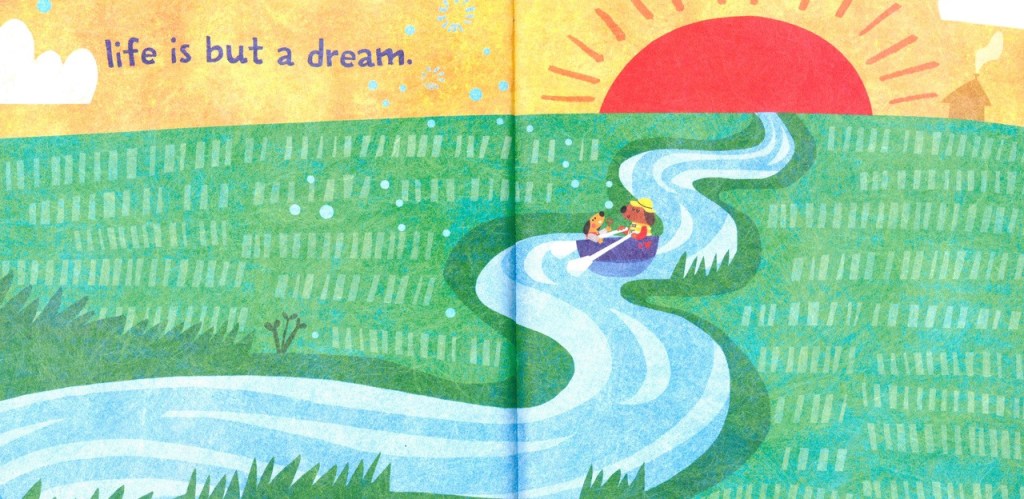
Finally, some nursery rhymes are simple and filled with messages of hope and optimism for life. Even for such a brief while. We all remember singing the tune “Row, Row, Row Your Boat,” perhaps while on a school field trip, on a bus with 30 other kids. Someone would start the tune, get to the second stanza, and the next bunch of kids would chime in and start from the beginning again. This could go on until the last bunch of kids recites that last line, and then everyone claps. Such fun. If you don’t remember it, the lyrics go like this… “Row, row, row your boat… gently down the stream… merrily, merrily, merrily, merrily, life is but a dream.” In this rhyme, everything is “merry”. No worries, life is good and full of that wonderful childhood zest. That is until you get to the last line… “life is but a dream”! It implies that life is short and fleeting. You should just keep on rowing, keep on living life, and strive to remain happy, because you never know just when your life will end… just like a dream.
Thanks for reading my blog. I hope you enjoyed this interesting retrospective on nursery rhymes and fairy tales. I enjoyed researching it as well. Please let me know your comments, I would love to hear your take on it. And, if you haven’t already subscribed to my blog, I would appreciate it if you would. It makes me happy that I make you happy reading my blog. Thanks again and until next time… Caio!
Discover more from Lenny Ricci, Author
Subscribe to get the latest posts sent to your email.

Wow Len, Such dark stories. Not sure I needed to hear about the origins and behind the scenes meanings of all those beloved nursery tales and rhymes. I’ll never look at them the same way again. Very interesting article though. Loved the illustrations.
Betty
LikeLike
Len, thanks for all this information about the hidden meanings of all those old stories and fairy tales. I think the moral messages in Dickens’ stories are fairly straightforward. However, I had no clue about the dark meanings of all those older fairy tales, and I don’t remember even thinking about it when I was a kid. I guess the writers had to cloak their messages so heavily in those symbols and metaphors that most people nowadays never think about it either. Fascinating history. Jimmy
LikeLike